
Ultrafine ceramic powders (typically referring to powders with a primary particle size smaller than 1 micron, particularly those smaller than 100 nanometers) form the foundation for producing high-performance structural ceramics (such as alumina, silicon nitride, silicon carbide) and functional ceramics (such as piezoelectric ceramics, microwave dielectric ceramics, and transparent ceramics). Dispersion refers to the ability of powder particles to maintain separation and uniform distribution in a medium (water or organic solvents). Good dispersion is a prerequisite for obtaining high-density and uniform microstructure, which directly influences the mechanical, electrical, optical, and thermal properties of the final ceramic product.
Ultrafine ceramic powders have an extremely high specific surface area and surface energy, which contribute to their high sintering activity. However, this also leads to a strong tendency to agglomerate. Agglomerates in subsequent processes can act as defect sources, causing uneven sintering density, abnormal grain growth, and a sharp decline in performance.
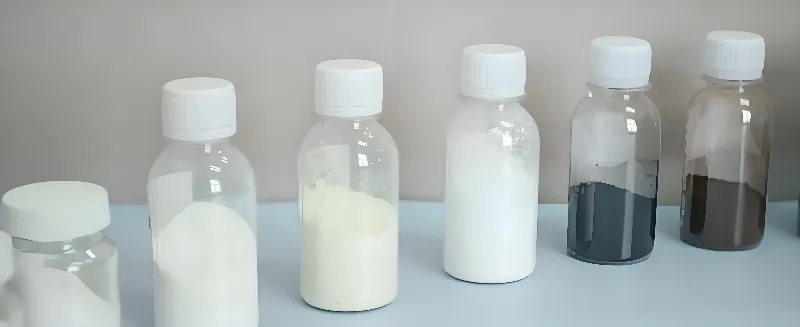
Multi-dimensional Causes of Dispersion Challenges
Agglomeration in powders is caused by a combination of physical and chemical forces. It is mainly divided into soft agglomeration (caused by van der Waals forces, electrostatic effects, etc., which are easier to break) and hard agglomeration (formed during preparation and drying, with strong chemical bonds or sintering necks between particles, making them extremely difficult to break).
Agglomeration Caused by Physical Forces
| Force Type | Mechanism | Range and Intensity | Specificity for Ultrafine Powders |
|---|---|---|---|
| Van der Waals Force | Instantaneous dipole interactions between molecules/atoms | Long-range force (tens of nanometers), moderate strength, but inversely proportional to particle size, extremely strong for nano powders | The small interparticle distance in ultrafine ceramic powders makes this the primary agglomeration driving force. |
| Capillary Force | Negative pressure due to liquid bridges between particles | Short-range force, but extremely strong, especially during liquid evaporation (drying) | Washing and drying processes in powder preparation are key stages for forming hard agglomerates. The larger the surface tension of the liquid, the more harmful the effect. |
| Electrostatic Effects | Attraction and repulsion due to surface charges on particles | Medium to long-range force, which can be controlled by adjusting the medium environment | Proper control can provide dispersion power (electrostatic stabilization); uncontrolled conditions may cause flocculation. |
| Magnetic Dipole Interaction | Interaction of magnetic moments in particles | Found in special materials (e.g., ferrites) | Requires an external magnetic field or surface demagnetization treatment. |
Ultrafine Ceramic Powders Agglomeration Caused by Surface Chemical Properties
The surface of ultrafine ceramic powders is not inert, and its rich surface chemical characteristics are the inherent causes of agglomeration.
| Surface Feature | Chemical Basis | Impact on Agglomeration | Typical Material Examples |
|---|---|---|---|
| Surface Hydroxyl Groups (-OH) | Adsorption of water molecules or reaction with air to form M-OH | Hydrogen bonding between particles, forming a three-dimensional network structure, which is the main chemical cause of hard agglomeration | SiO₂, Al₂O₃, TiO₂, ZrO₂, and almost all oxides |
| Isoelectric Point | pH value at which the surface net charge is zero | At the isoelectric point, the Zeta potential becomes zero, and electrostatic repulsion disappears, making particles highly prone to agglomeration | Al₂O₃ (IEP~9), SiO₂ (IEP~2-3), ZrO₂ (IEP~6-7) |
| Surface Acid-Base Sites | Lewis acid or base centers on the surface | Can specifically adsorb on the medium or dispersant, affecting dispersion stability | Al₂O₃, TiO₂, and other amphoteric oxides |
| Surface Residual Chemical Bonds | Sintering neck precursors formed during high-temperature synthesis | Strong chemical bonds between particles, making it the hardest agglomeration to break | High-temperature calcined powders, such as calcined kaolin and powders synthesized by solid-phase methods |
Agglomeration Induced by Process Conditions
| Process Stage | Agglomeration Type | Formation Mechanism | Reversibility |
|---|---|---|---|
| Synthesis Stage | Primary/Grain Boundary Agglomeration | Particles touch and merge during nucleation and growth. | Mostly irreversible |
| Washing and Filtering | Aggregation | Particles come close due to van der Waals forces, and filtration pressure compresses them. | Difficult to reverse |
| Drying Stage | Hard Agglomeration | Capillary forces pull particles close together, forming hydrogen bonds or condensation reactions after solvent evaporation. | Extremely difficult to reverse |
| Storage and Transportation | Secondary Agglomeration | Environmental humidity, electrostatic forces, and mechanical pressure between particles. | Partially reversible |
Systematic Solutions: From Mechanism to Process
Solving dispersion issues should follow the principle of “prevention first, destruction as a supplement, and stabilization as the final goal.” This involves building a complete technological chain encompassing surface modification, medium regulation, mechanical dispersion, and stabilization.
Surface Modification: Reducing Agglomeration Driving Force from the Source
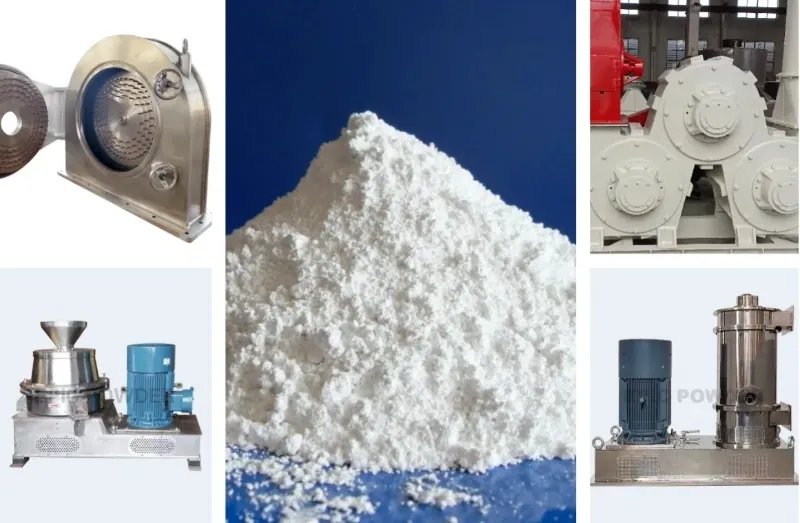
By altering the physical and chemical properties of the ultrafine ceramic powders surface, the surface energy is reduced, and spatial steric hindrance or electrostatic repulsion is introduced.
| Modification Method | Mechanism | Common Modifiers/Techniques | Advantages | Limitations |
|---|---|---|---|---|
| Coupling Agent Treatment | Introduces organic long chains on the particle surface for “bridging” or “shielding.” | Silane coupling agents (KH-550, KH-570), titanate coupling agents. | Significantly improves compatibility with organic systems, enhancing composite performance. | Sensitive to hydrolysis reaction, may not fully coat, and water-sensitive. |
| Surface Grafting Polymerization | Initiates polymerization on the powder surface, forming a polymer brush. | Atom Transfer Radical Polymerization (ATRP), Reversible Addition-Fragmentation Chain Transfer (RAFT) polymerization. | Controlled grafting layer thickness and density, strong steric hindrance effect. | Complex processes, high costs, primarily in the research stage. |
| Surfactant Adsorption | Physical adsorption onto the particle surface, improving wetting with hydrophilic groups or achieving organic modification with hydrophobic groups. | Sodium dodecylbenzenesulfonate (SDBS), polyethylene glycol (PEG). | Simple, economical, improves both wetting and dispersion. | Adsorption is reversible, affected by pH, temperature, and may introduce impurities. |
| Inorganic Coating | Coats the particle surface with an inorganic layer that is easier to disperse or provides spatial hindrance. | SiO₂ coating on TiO₂, Al₂O₃. | Good thermal stability, can impart new functions (e.g., UV resistance). | May alter the inherent properties of the powder; high process control requirements. |
Medium Regulation and Dispersant Science
In water or organic solvents, regulating the medium environment and adding dispersants is the most core and commonly used method to achieve stable dispersion.
Dispersion Stabilization Mechanisms
| Stabilization Mechanism | Principle | Key Control Parameters | Applicable Systems |
|---|---|---|---|
| Electrostatic Stabilization (DLVO Theory) | Adjusts pH to ensure particles carry like charges, generating Coulombic repulsion. | Zeta potential: absolute value >30mV for stability. pH: far from isoelectric point. | Aqueous systems, oxide ceramics. |
| Steric Stabilization | Overlapping adsorbed polymer chains generate entropic repulsion. | Dispersant molecular weight, adsorption configuration, coverage. | Both aqueous and non-aqueous systems, especially suitable for high concentrations. |
| Electrostatic-Steric Synergy Stabilization | Combines both electrostatic repulsion and steric hindrance, ensuring the best stability. | Use of polyelectrolyte dispersants. | Preferred solution for high-performance slurries. |
Dispersant Selection Strategy
| Powder Type/Medium | Recommended Dispersant Types | Mechanism and Characteristics | Examples |
|---|---|---|---|
| Oxide Ceramics/Water | Polyacrylic acid (salt), polymethacrylic acid (salt) | Strong adsorption, provides both electrostatic and steric stabilization, adjustable molecular weight. | DuPont DA series, BASF Dolapix series. |
| Oxide Ceramics/Organic Solvents | Fish oil, phosphate esters, superdispersants | Anchoring group adsorption, solvent chain extension provides steric hindrance. | BYK, TEGO products. |
| Non-oxide Ceramics/Water (e.g., Si₃N₄, SiC) | Polyethylene imine (PEI), polyacrylamide (PAM) | Relies on steric hindrance or utilizes the properties of the surface thin oxide layer. | Selection depends on surface oxidation level. |
| Non-oxide Ceramics/Organic | Silane coupling agents followed by non-ionic dispersants | Organic modification followed by dispersion. | — |
High-Efficiency Mechanical Dispersion and Process Optimization
Chemical methods must be combined with appropriate mechanical energy input to effectively break existing agglomerates.
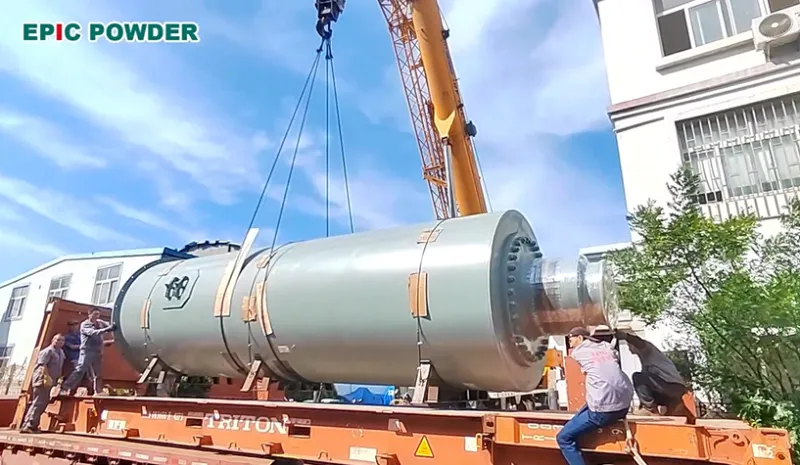
| Dispersion Equipment | Mechanism | Applicable Stage and Systems | Notes |
|---|---|---|---|
| Ball Mill/Planetary Ball Mill | Relies on impact and shear forces of grinding balls. | Dry or wet grinding, breaks strong agglomerates, can mix multiple powders. | Potential contamination (grinding ball/tank material), long grinding times may alter particle size distribution. |
| Sand Mill/Bead Mill | Uses grinding media (e.g., zirconia beads) for high-speed shear. | Efficient nano-dispersion, suitable for high solid content, low viscosity slurries. | Requires optimization of media size, filling ratio, and speed to avoid excessive temperature. |
| Ultrasonic Dispersion | Utilizes high pressure and shock waves generated by ultrasound cavitation. | Lab-scale and small batch production, breaks soft agglomerates and weakly bonded hard agglomerates. | Temperature control is important to avoid overheating; probe-type may cause sample contamination. |
| High-Shear Dispersion | High shear forces generated by rotor-stator interactions. | Pre-dispersion, breaks large agglomerates for finer dispersion. | Limited effect on hard agglomerates, may introduce air bubbles. |
| Three-Roller Mill | Extremely high shear rates between rollers. | Final fine dispersion and homogenization of high-viscosity slurries (e.g., casting materials). | Cleaning is more troublesome. |
Long-Term Stability of Slurry
| Method | Purpose | Implementation Methods |
|---|---|---|
| Zeta Potential Monitoring | Ensure sufficient electrostatic repulsion | Regular testing, pH adjustments when deviation occurs. |
| Rheological Control | Prevent sedimentation | Add small amounts of thixotropic agents (e.g., cellulose ether, bentonite), so that the slurry forms a gel when left standing and becomes less viscous when sheared. |
| Inhibitors | Prevent chemical reactions between particles | For specific systems, such as adding oxidation inhibitors. |
| Storage Environment Control | Prevent changes in physical and chemical properties | Seal, store in a light-proof, temperature-controlled environment. |
Dispersion Strategies for Different Ultrafine Ceramic powders Systems
| Ceramic System | Major Dispersion Challenges | Targeted Solutions |
|---|---|---|
| Al₂O₃ | High IEP (~9), narrow pH stability window; high hardness and strong agglomeration | 1. Disperse in acidic (pH 3-4) or strongly alkaline (pH >11) conditions. 2. Use polyacrylic acid dispersants. 3. Phosphate ester pretreatment. |
| ZrO₂ (Y₂O₃ stabilized) | Tendency for hard agglomeration during preparation; phase stability sensitivity | 1. Use coprecipitation method for better dispersion of precursors. 2. Adjust pH to 9-11 with ammonia or TMAH. 3. Low-temperature drying (freeze-drying). |
| Si₃N₄ | Hydrophobic; surface amorphous SiO₂ layer controls dispersion behavior | 1. Aqueous system: Control pH >10 (mimicking SiO₂), use cationic dispersants like PEI. 2. Non-aqueous system: Use toluene/xylene + fish oil/phosphate esters. |
| BaTiO₃ and other electronic ceramics | Extremely sensitive to impurities; dispersants must be pure | 1. Use high-purity, easily thermally decomposable dispersants (e.g., ammonium citrate). 2. Strictly control pH to prevent ion dissolution and stoichiometry changes. |
| Nanopowders | Extremely high surface energy and strong agglomeration tendencies | 1. In situ surface modification during synthesis. 2. Use low-surface-tension solvents for dispersion and exchange. 3. Supercritical drying to avoid capillary forces. |
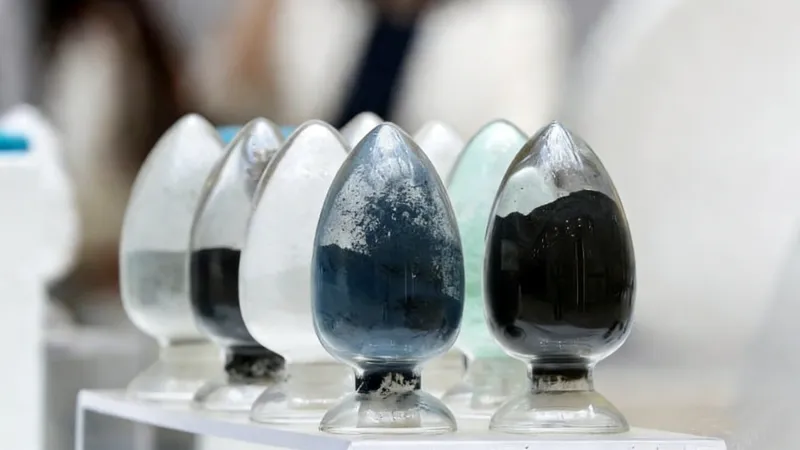
Conclusion: A Systematic Approach to Solving Dispersion Challenges
Diagnosis First: Use SEM, particle size analysis (comparison of dry and wet methods), BET surface area analysis, etc., to determine the type, strength, and primary cause of agglomeration.
Prevention Over Cure: Consider dispersion in the powder preparation stages (e.g., precipitation, spray pyrolysis), and use techniques like freeze-drying and azeotropic distillation to reduce hard agglomeration formation.
“Chemistry + Mechanics” Collaboration: There is no “universal” dispersant; a personalized approach must be designed based on the powder’s surface properties, medium, and process requirements, in combination with appropriate mechanical energy input.
Stability is Key: Achieving instant dispersion is not the end goal; ensuring stable dispersion during storage and molding is equally important.
Cost-Performance Balance: Find a balance between laboratory results, industrialization costs, and feasibility.
Addressing the dispersion challenges of ultrafine ceramic powders is the key link between ideal powders and excellent ceramic products. It requires the deep integration and innovative application of materials science, colloid chemistry, and process engineering.

“Thanks for reading. I hope my article helps. Please leave a comment down below. You may also contact Zelda online customer representative for any further inquiries.”
— Posted by Emily Chen
 English
  العربية
  Español
  Português
  Français
  Türkçe
  Tiếng Việt
  Русский