
If you’re looking to unlock the full potential of basalt ultrafine powder grinding, you’re in the right place. Producing ultrafine basalt powder—think particle sizes at or below D97: 10μm—opens doors to advanced applications in construction, composites, agriculture, and more. But basalt’s hardness and abrasiveness make grinding a real technical challenge. In this guide, you’ll discover how cutting-edge equipment and precise processes turn tough volcanic rock into a versatile, mineral-rich powder that boosts performance and sustainability. Ready to explore the science and solutions behind ultrafine basalt powder? Let’s jump in!
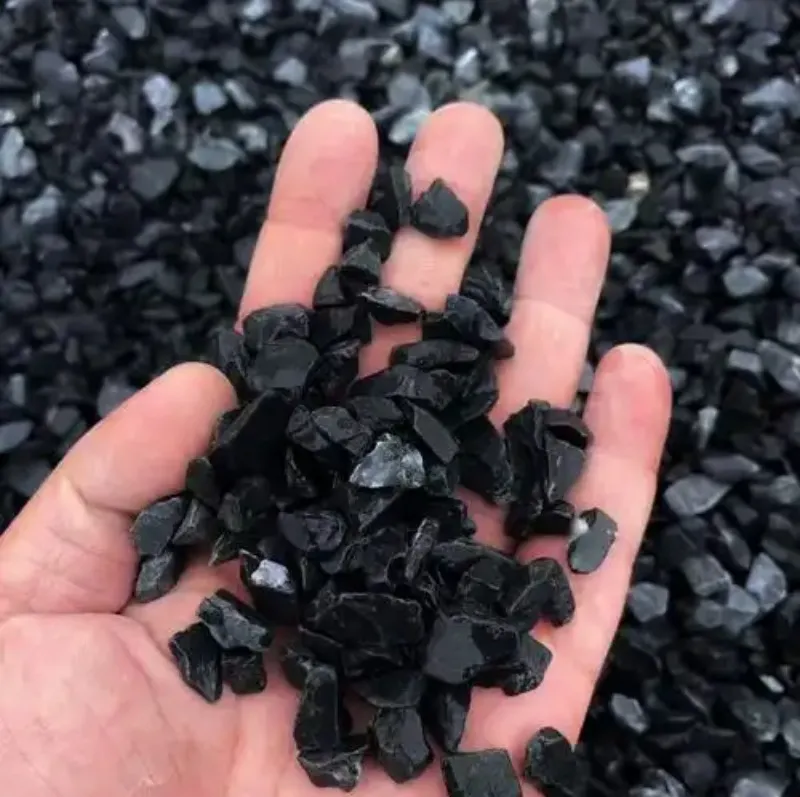
Properties of Basalt Relevant to Grinding
Understanding the properties of basalt is crucial when it comes to ultrafine basalt powder production. Basalt is a volcanic rock with a distinctive chemical composition that influences how it behaves during grinding:
- SiO2 (Silicon dioxide): Typically 45-55%, providing hardness and chemical stability.
- Al2O3 (Aluminum oxide): Around 14-17%, contributing to structural strength.
- FeO/Fe2O3 (Iron oxides): Approximately 9-12%, impacting color and magnetic properties.
- CaO (Calcium oxide) and MgO (Magnesium oxide): Combined around 8-12%, affecting the material’s reactivity and density.
Physically, basalt is known for several challenging characteristics:
- Mohs hardness of 5-7: This moderate to high hardness makes basalt abrasive, causing wear on grinding equipment.
- Density: Around 2.8 – 3.0 g/cm³, influencing grinding efficiency and milling power requirements.
- Abrasiveness: Tough and gritty, basalt wears down tools quickly without proper ceramic lining grinders or wear-resistant features.
These properties make basalt both challenging and ideal for ultrafine processing. The hardness and abrasiveness demand robust milling equipment like ball mill classification lines with ceramic linings to withstand wear. Meanwhile, the chemical composition ensures the ground powder retains valuable characteristics ideal for construction, composites, and industrial applications.
In short, basalt’s specific physical and chemical traits necessitate specialized grinding solutions to achieve a fine, consistent product, especially when targeting ultrafine powder levels such as D97: 10μm basalt powder. Properly managing these properties leads to efficient production and high-quality output essential for advanced applications.
The Basalt Ultrafine Powder Production Process
Producing ultrafine basalt powder starts with raw material preparation and primary crushing, where large basalt rocks are broken down into manageable sizes. This initial step ensures the material is ready for more precise processing. Next comes secondary crushing and screening, refining particle size further and removing oversized chunks to create a uniform feed for grinding.
The heart of the process is the fine and ultrafine grinding stages, typically involving specialized mills like ball mills equipped with ceramic lining to handle basalt’s abrasiveness. This step reduces particles to the targeted ultrafine scale, often reaching a D97 of 10μm or finer. Following grinding, precise control over particle size is achieved through precision classification and airflow management, ensuring consistent ultrafine basalt powder with the desired particle distribution.
Finally, the powder undergoes collection, drying, and packaging to maintain quality and ease of transport. Modern basalt ultrafine powder production favors closed-circuit systems to recycle oversized particles back into the mill, enhancing efficiency and minimizing waste. These closed systems also help meet environmental standards by controlling dust and emissions. For more on efficient processing setups, see how a ball mill classification line optimizes particle size control.
This structured approach ensures the consistent production of high-quality basalt micro powder tailored for demanding industrial applications.
Equipment for Ultrafine Basalt Powder Grinding
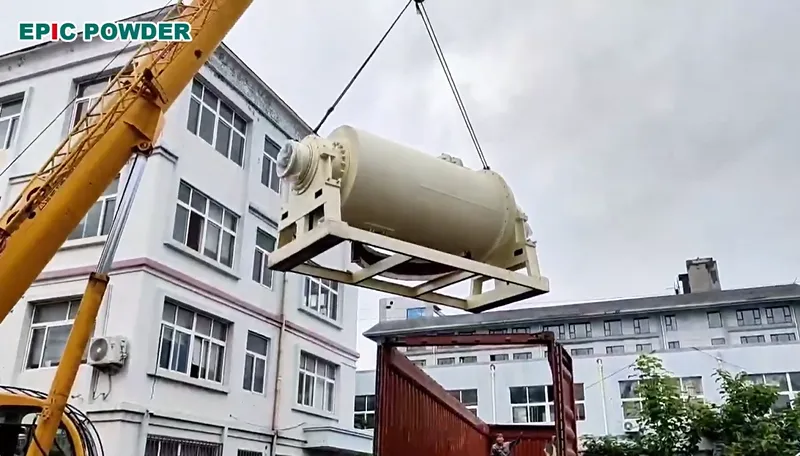
When it comes to basalt ultrafine powder grinding, choosing the right equipment is crucial. Common mills used include:
| Mill Type | Pros | Cons |
|---|---|---|
| Ball Mills | Good for fine grinding, simple structure | High energy consumption |
| Raymond Mills | Compact, lower cost | Limited ultrafine capability |
| Vertical Roller Mills | Energy-efficient, large capacity | Not ideal for very abrasive materials |
For basalt’s abrasive nature and ultrafine targets, specialized ultrafine grinding systems stand out. Ball mill and classification production lines are especially popular because they efficiently achieve D97: 10μm particle size. These systems combine grinding with precision air classification, ensuring a narrow particle size distribution.
To combat the heavy wear caused by basalt’s abrasiveness, mills often feature ceramic lining technology. This wear-resistant lining extends equipment life and reduces maintenance costs, making production more reliable and cost-effective.
Epic Powder offers integrated solutions tailored for basalt ultrafine powder processing, including high-precision classifiers and full production lines designed to maximize output quality and consistency. These advanced systems support sustainable basalt powder manufacturing by improving efficiency and reducing waste.
For a deeper understanding of optimizing ball mill systems and classifiers, check out our insights on enhancing ball mill efficiency and particle size classification.
Links:
- Enhancing ball mill efficiency: key factors to consider
- Particle size classification: the key to efficient application
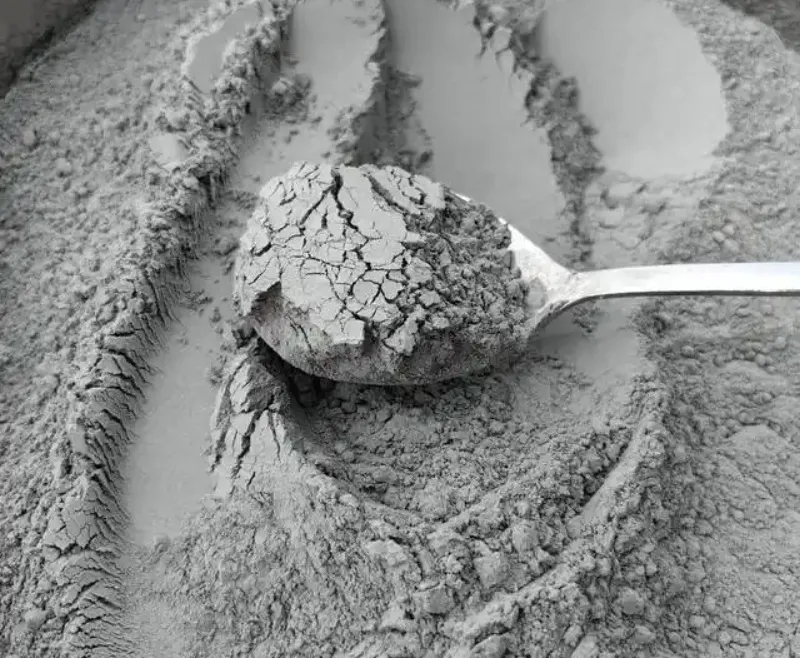
Achieving Specific Fineness Levels in Basalt Ultrafine Powder Grinding
When producing ultrafine basalt powder, understanding the D97 value is key. This metric means that 97% of the particles are below a certain size—in this case, usually 10μm or finer, which is ideal for many high-performance applications. Achieving such a precise particle size distribution ensures consistent performance, whether for construction fillers or advanced composites.
Several factors affect how fine the basalt powder can get:
- Feed size: Starting with properly crushed and screened basalt helps reduce grinding time and wear.
- Grinding media: Choosing the right ball mill media or grinding beads improves efficiency and controls particle breakage.
- Airflow: In closed-circuit systems, precise airflow helps carry fine particles to the classifier while returning coarse ones for regrinding.
- Classifier settings: Adjusting speed and cut size on high-precision classifiers directly influences the final powder fineness.
Successful ultrafine basalt powder production often relies on optimized ball mill and classification production lines, combined with wear-resistant features like ceramic lining to handle the abrasive nature of basalt. Case studies show consistent achievement of D97: 10μm basalt powder using these integrated systems, delivering quality that meets the demands of cutting-edge industries.
For more insight into how ball mills and classifiers work together in this process, see the detailed overview of why the ball mill air classifier remains the mainstream choice in modern ultrafine powder production.
Applications of Ultrafine Basalt Powder
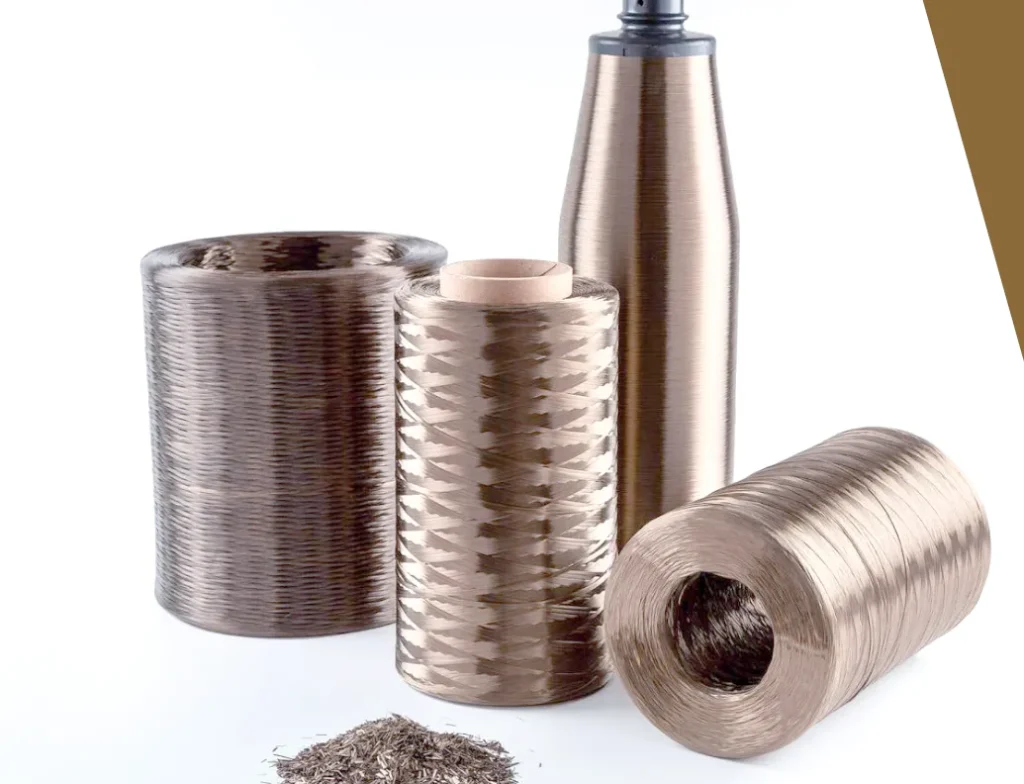
Ultrafine basalt powder is a versatile material with applications across multiple industries thanks to its unique properties and fine particle size.
Construction
In construction, basalt powder greatly boosts high-performance concrete and asphalt. It acts as a durable filler and additive, improving strength, durability, and resistance to wear. This makes it ideal for infrastructure projects that demand tough materials.
Composites and Coatings
Basalt powder is widely used in composites, especially for polymer reinforcement, enhancing mechanical properties without adding much weight. It also plays a role in advanced ceramics and specialized coatings, where its fine particles contribute to improved hardness and thermal stability.
Agriculture
In agriculture, ultrafine basalt serves as a natural soil remineralizer. Its rich mineral content enhances nutrient availability and improves soil health, supporting sustainable farming and better crop yields.
Industrial Uses
Industrially, basalt powder is key in basalt fiber production for textiles and reinforcements. It’s also used in paints, friction materials, and other specialty products that require abrasion resistance and thermal stability.
Emerging Trends
One exciting area is carbon sequestration through enhanced rock weathering. Ultrafine basalt powder can accelerate natural processes that capture CO2, supporting environmental goals and sustainability efforts.
For efficient processing into these applications, advanced ball mill and classification production lines with wear-resistant ceramic linings are often used to achieve consistent ultrafine grades like D97: 10μm. Solutions from Epic Powder include high-precision classifiers that ensure reliable quality for all these industry needs.
Explore more about the ball mill classification line and how it optimizes basalt micro powder processing for your specific application.
Challenges in Ultrafine Grinding and Solutions
Grinding basalt into ultrafine powder comes with several challenges, primarily due to its hardness and abrasiveness. This leads to rapid wear of equipment, particularly grinding media and liners. Using wear-resistant materials like ceramic lining in ball mills helps extend equipment life and reduce maintenance costs.
Energy consumption is another big concern. Ultrafine grinding demands more power, so optimizing the grinding process and using closed-circuit systems significantly cut down on energy use and production costs. Maintaining a narrow particle size distribution is crucial for quality, and high-precision classifiers—like those in Epic Powder’s integrated production lines—help achieve consistent D97 fineness levels (e.g., 10μm).
Dust control is vital in ultrafine basalt powder processing. Proper enclosure of grinding systems and efficient dust collection prevent environmental pollution and protect workers. Epic Powder’s proven strategies balance equipment durability, energy efficiency, and environmental compliance, making them a reliable choice for sustainable basalt micro powder processing.
For more on equipment that tackles these challenges, see their advanced ball mill classification production line designed specifically for abrasive mineral powders.
Benefits of Choosing Advanced Grinding Technology
Using advanced grinding technology for basalt ultrafine powder processing offers clear advantages that meet the demands of modern industry. Here’s why upgrading your basalt grinding setup pays off:
| Benefit | Details |
|---|---|
| Higher Yield & Quality | Precise control of particle size (D97: 10μm and finer) means consistent product quality and less waste. |
| Reduced Energy Consumption | Efficient mills and classifiers lower power usage and cut operating costs. |
| Less Downtime | Equipment with wear-resistant features, such as ceramic lining grinders, lasts longer and needs fewer repairs. |
| Scalability for Production | Modular ball mill and classification production lines can easily expand to meet growing demand. |
| Sustainable Processing | Closed-circuit systems reduce dust and emissions, supporting eco-friendly manufacturing practices. |
By choosing the latest grinding technology, you not only improve output but also reduce energy costs and environmental impact. For more details on optimizing your machinery, explore high-precision options like the ball mill classification line and related components designed specifically for ultrafine basalt powder production.
Learn how to optimize energy use and grinding efficiency in dry and wet grinding ball mills for better performance.

“Thanks for reading. I hope my article helps. Please leave a comment down below. You may also contact Zelda online customer representative for any further inquiries.”
— Posted by Emily Chen
 English
  العربية
  Español
  Português
  Français
  Türkçe
  Tiếng Việt
  Русский