
Fly ash is a common industrial solid waste mainly generated during coal combustion. It possesses unique physical and chemical properties and plays an important role in construction, environmental protection, and materials science. As a valuable secondary resource, the comprehensive utilization of fly ash not only reduces environmental pollution but also lowers production costs and promotes sustainable development. This article introduces the sources, characteristics, advantages, and applications of fly ash, and discusses methods for preparing ultrafine fly ash to provide reference for related fields.
Sources of Fly Ash
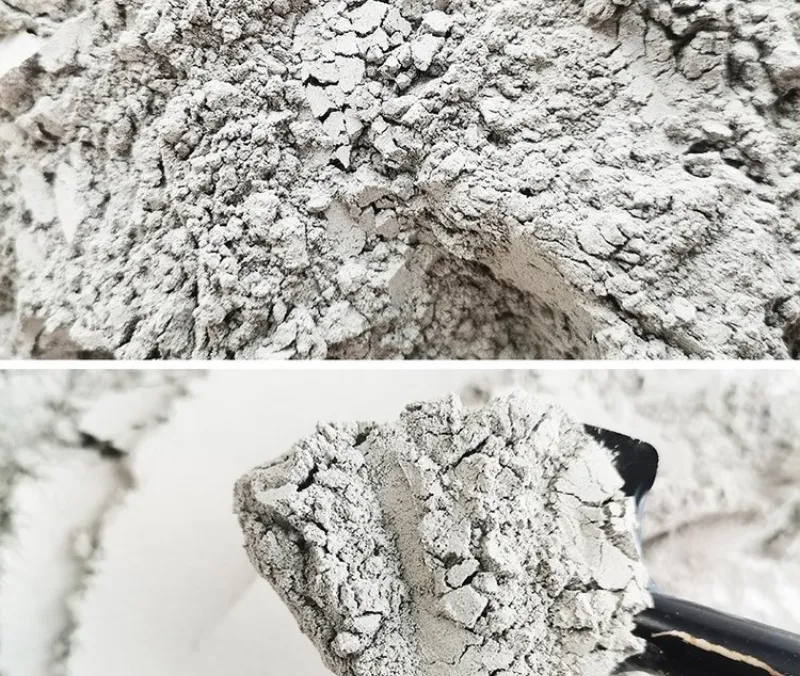
Fly ash is primarily produced by coal-fired power plants, cogeneration plants, and industrial boilers. During pulverized coal combustion, mineral matter in coal melts or vaporizes at high temperatures and is carried out with flue gas. It is then collected by dust removal equipment such as electrostatic precipitators or bag filters.
The collected ash particles are fine and lightweight, typically spherical or irregular in shape. Hundreds of millions of tons of fly ash are generated worldwide every year. As a major coal-consuming country, China ranks among the top producers of fly ash, with most of it originating from thermal power plants. The composition of fly ash varies depending on coal type, combustion conditions, and dust collection methods.
Characteristics of Fly Ash
Fly ash is a pozzolanic material. Its main chemical components include silicon dioxide (SiO₂), aluminum oxide (Al₂O₃), iron oxide (Fe₂O₃), calcium oxide (CaO), and magnesium oxide (MgO), which together account for more than 70% of its total composition.
In terms of physical properties, fly ash consists of fine particles with typical sizes ranging from 1 to 100 μm. It has a large specific surface area, usually between 200 and 800 m²/kg, and a relatively low density of 1.9–2.9 g/cm³. It appears as a gray or black powder.
Fly ash exhibits potential chemical activity. In alkaline environments, it reacts with calcium hydroxide to form cementitious products through pozzolanic reactions. It also contains small amounts of unburned carbon, magnetic particles, and glass microspheres, which contribute to good flowability and dispersibility. These characteristics make fly ash highly suitable for construction materials, although attention must be paid to potential environmental risks associated with trace heavy metals.
Advantages of Fly Ash
As an industrial by-product, fly ash offers several significant advantages. First, it reduces production costs. For example, replacing part of cement with fly ash in concrete lowers raw material expenses. Second, fly ash improves material performance. It enhances concrete durability, reduces permeability, and increases resistance to chemical attack and freeze–thaw cycles.
Through secondary hydration reactions, fly ash generates additional calcium silicate hydrate (C–S–H) gel. This gel fills pores and improves the compactness of the matrix. Furthermore, fly ash utilization supports environmental protection by reducing solid waste accumulation, land occupation, and air pollution. It also decreases CO₂ emissions associated with cement production and promotes resource recycling. Overall, its economic, environmental, and technical advantages make fly ash an ideal material for sustainable development.
Applications of Fly Ash
Fly ash is widely used in various fields, including:
- Construction materials: Used as a supplementary cementitious material in concrete and cement, improving workability, reducing hydration heat, and enhancing long-term strength. It is commonly applied in mass concrete structures such as dams and bridges.
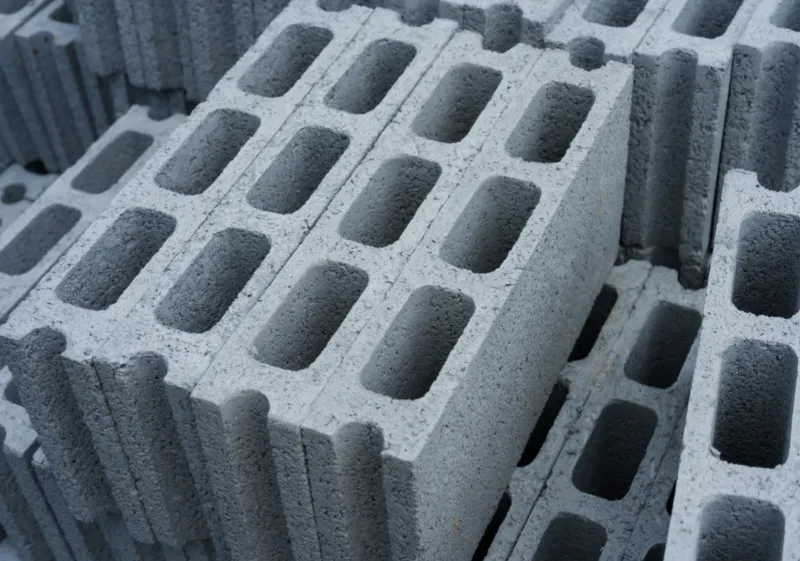
- Bricks and blocks: Mixed with lime or cement to produce non-fired bricks or aerated concrete blocks, offering low density and good thermal insulation.
- Road engineering: Used as a subgrade stabilizer or filler in asphalt mixtures to improve pavement durability and crack resistance.
- Environmental engineering: Applied in wastewater treatment, heavy metal adsorption, soil remediation, and CO₂ capture, utilizing its adsorption capacity and chemical reactivity.
- Other applications: Used in the production of lightweight aggregates, ceramics, glass-ceramics, refractory materials, and for the extraction of valuable elements such as aluminum and silicon.
These applications demonstrate the strong resource utilization potential of fly ash and support the development of green industries.
How to Prepare Ultrafine Fly Ash
Ultrafine fly ash refers to fly ash with a specific surface area of ≥600 m²/kg. The purpose of ultrafine processing is to further enhance reactivity, surface area, and application performance. Common preparation methods include mechanical grinding, chemical activation, and combined processes.
Mechanical Grinding Method (Most Common)
Principle:
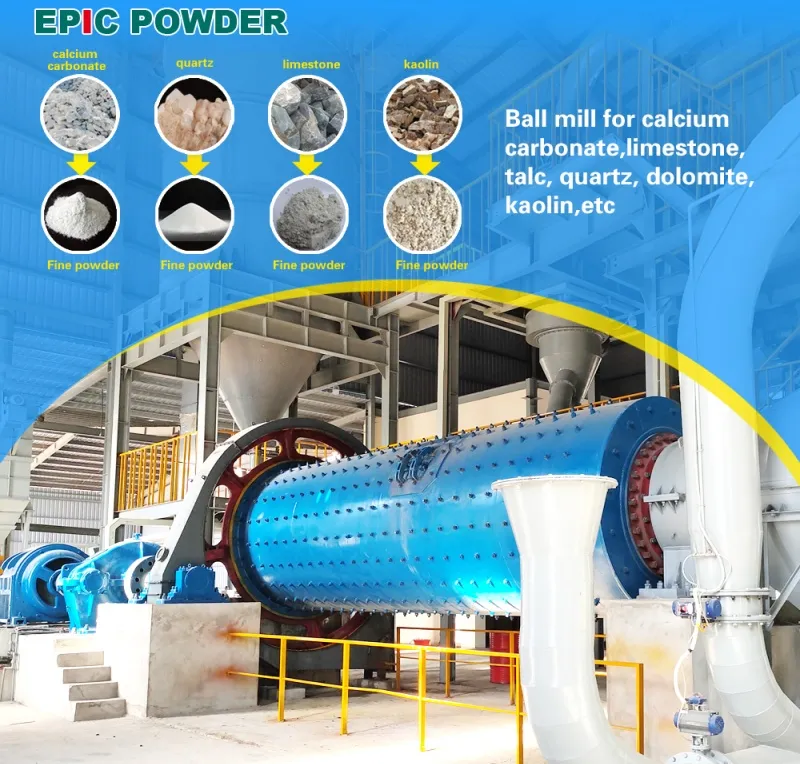
Mechanical forces, such as those generated during ball milling, break down particles, increase specific surface area, and expose more active sites.
Process steps:
- Select raw fly ash and perform preliminary screening to remove impurities.
- Feed the material into a ball mill (planetary or vibratory) for dry or wet grinding over several hours. Milling speed and time are controlled to obtain particles smaller than 10 μm.
- Use classification to ensure uniform fineness.
Advantages:
This method is simple and suitable for industrial-scale production, although energy consumption is relatively high.
Chemical Activation Method
Principle:
Acid or alkali treatment is combined with grinding to enhance chemical activity.
Process steps:
- Raw fly ash undergoes wet magnetic separation to remove iron.
- The material is treated with hydrochloric acid or sodium hydroxide to leach impurities or activate the surface.
- After drying, ultrafine grinding and sieving are carried out to obtain the final product.
Typical example:
Fly ash is mixed with limestone according to a designed Ca/Si ratio, then shaped with water and calcined to achieve further activation.
Combined Methods
Combined processes include high-temperature calcination followed by grinding, or blending fly ash with slag powder to produce ultrafine composite supplementary cementitious materials. Studies show that ultrafine treatment significantly enhances fly ash reactivity, making it suitable for high-performance concrete.
During preparation, attention should be paid to safety, energy consumption, and environmental protection. Process parameters should be optimized to improve yield and efficiency.
Conclusion
Fly ash is a valuable industrial by-product with wide availability, unique characteristics, notable advantages, and diverse applications. By preparing ultrafine fly ash, its value can be further enhanced, supporting innovation in construction materials and environmental technologies. With ongoing technological advances, the resource utilization of fly ash will become more efficient, achieving a win–win outcome for both economic development and environmental protection. In practical applications, appropriate preparation methods should be selected according to specific requirements, with a strong emphasis on sustainability.

“Thanks for reading. I hope my article helps. Please leave a comment down below. You may also contact Zelda online customer representative for any further inquiries.”
— Posted by Emily Chen
 English
  العربية
  Español
  Português
  Français
  Türkçe
  Tiếng Việt
  Русский