
Ever wondered how simple mineral powders become advanced, functional additives in materials? Powder surface modification is the key. It transforms inert fillers into powerful enhancers that improve compatibility, performance, and durability across industries.
Common Powder Modification Techniques
- Chemical Coating: Applying thin layers of chemicals to change surface properties.
- Mechanochemical Modification: Using mechanical energy (like grinding) combined with chemical reactions to alter powder surfaces.
- Precipitation: Depositing fine particles onto powder surfaces for functional layering.
- Coupling Agents: Molecules like silanes that bond fillers to polymers, improving adhesion.
- Atomic Layer Deposition (ALD): An advanced, precise method to coat powders atom-by-atom, creating uniform, nanoscale layers.
Why Powder Surface Modification Matters
Fillers are not just passive ingredients anymore. Through surface modification, they become:
- Functional enhancers that boost mechanical strength, thermal stability, or electrical conductivity.
- Compatibility boosters that allow fillers to mix better with polymers, resins, or ceramics.
- Drivers of innovation in lightweight composites, durable coatings, and high-performance rubber.
Efficient Equipment for Uniform Coating
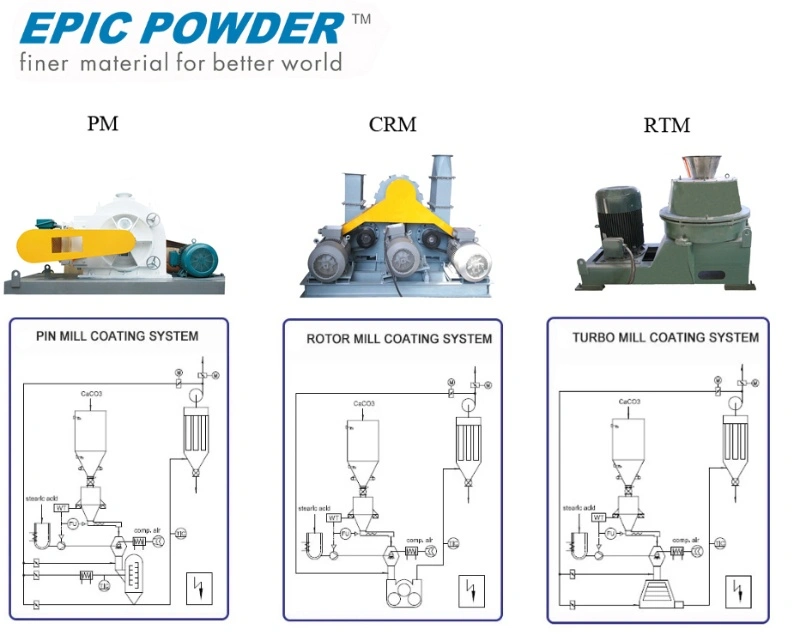
Reliable powder modification isn’t possible without great equipment. Some standout tools include:
| Equipment Type | Purpose |
|---|---|
| Pin Mill Coating Machine | High-efficiency milling and coating with uniform particle treatment. |
| Turbo Coating Machine | Fast, thorough mixing for even surface coverage. |
| Multi-Rotor Coating Machine | Enhanced shear forces for superior dispersion and coating quality. |
| Three-Roller Coating Machine | Ideal for uniform, fine film coatings on powders with precise control. |
These machinery options, like those from Epic Powder, ensure consistent, scalable surface modification that meets global quality demands.
By mastering powder surface modification with the right techniques and equipment, industries unlock filler potential—from inert mineral powders to functional, high-performance additives. This foundation sets the stage for innovation across plastics, coatings, rubber, ceramics, electronics, and beyond.
Applications in Plastics
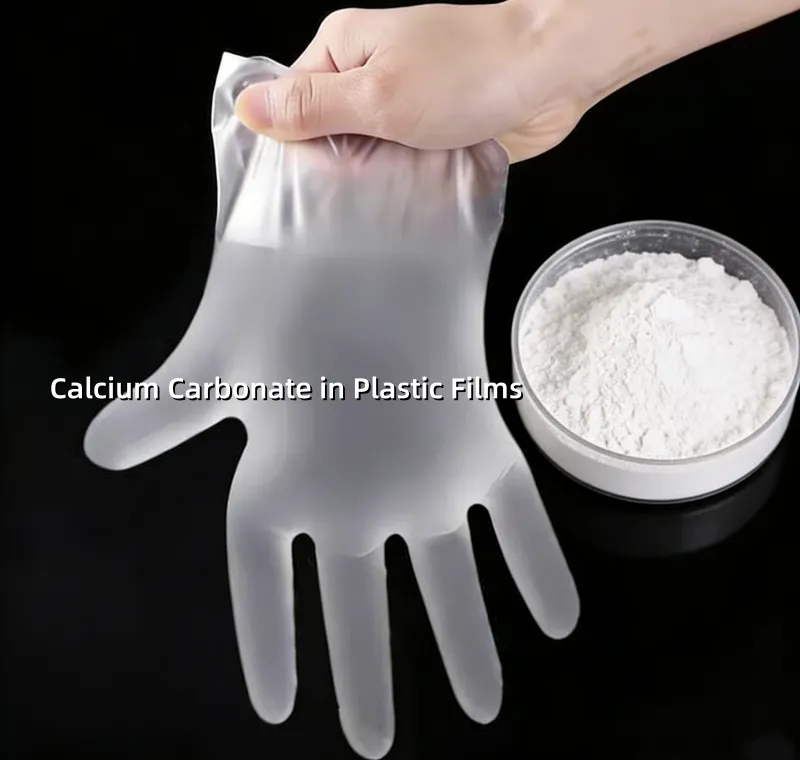
Powder surface modification plays a crucial role in plastics. It improves filler–polymer compatibility and directly enhances impact strength and processing performance. When fillers such as calcium carbonate or talc are properly modified, they disperse more evenly in the polymer matrix. This leads to composites with lower viscosity and higher toughness. As a result, processing becomes easier and the final materials are stronger and more durable.
Innovative applications of modified powders in plastics often focus on high-performance composites. This is especially true in industries such as automotive and packaging, where weight reduction and mechanical durability are critical. For example, surface-treated calcium carbonate is widely used in polypropylene (PP) and polyethylene (PE) composites. It improves stiffness while maintaining good impact resistance. Additionally, nano-modified fillers enhance these properties further, offering lightweight, tough plastics ideal for demanding applications.
Such advances not only boost mechanical properties but also improve processing efficiency by minimizing filler agglomeration and reducing melt viscosity. Using coupling agents or mechanochemical techniques for powder treatment ensures fillers chemically bond better with polymers, transforming inert mineral powders into high-performance polymer matrix additives.
For those interested in equipment that supports these processes, high-efficiency systems such as pin mill coating machines and multi-rotor coating machines play a critical role. They deliver uniform and scalable powder modification. This consistency is essential for achieving stable composite quality.
Such efficiency is closely linked to equipment used in related industries. Similar principles apply to how mineral powders are handled and processed in metals and minerals. These practices are well illustrated in guides on how to choose heavy calcium carbonate processing equipment.
Applications in Coatings
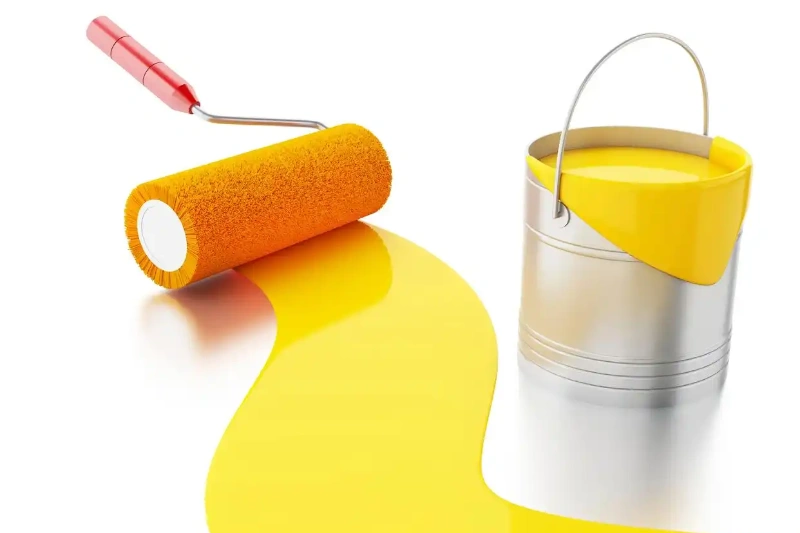
Powder surface modification plays a crucial role in improving coatings by enhancing rheology, weather resistance, and adding specialty functions like antibacterial and anticorrosive properties. By modifying fillers, coatings achieve better dispersion and stronger interactions, which leads to improved durability and performance under harsh conditions.
Innovative trends in coatings include low-temperature curing powders that save energy during processing, and bio-based modifications aimed at creating more sustainable and eco-friendly products. These advancements not only reduce environmental impact but also open new possibilities for functional and decorative coatings.
A common example is surface-treated TiO2, which is widely used for UV-stable paints, helping coatings resist degradation and color fading from sunlight exposure. Additionally, modified fillers are increasingly popular in waterborne and powder coatings to improve scratch resistance, adhesion, and chemical stability.
For those interested in mineral powder treatment in coatings and innovations like black talc powder modification, exploring specialized equipment and techniques can further enhance product quality and processing efficiency.
Explore more about innovative modification methods and applications of black talc powder to understand how these functional powder coatings advance the coatings industry.
Applications in Rubber
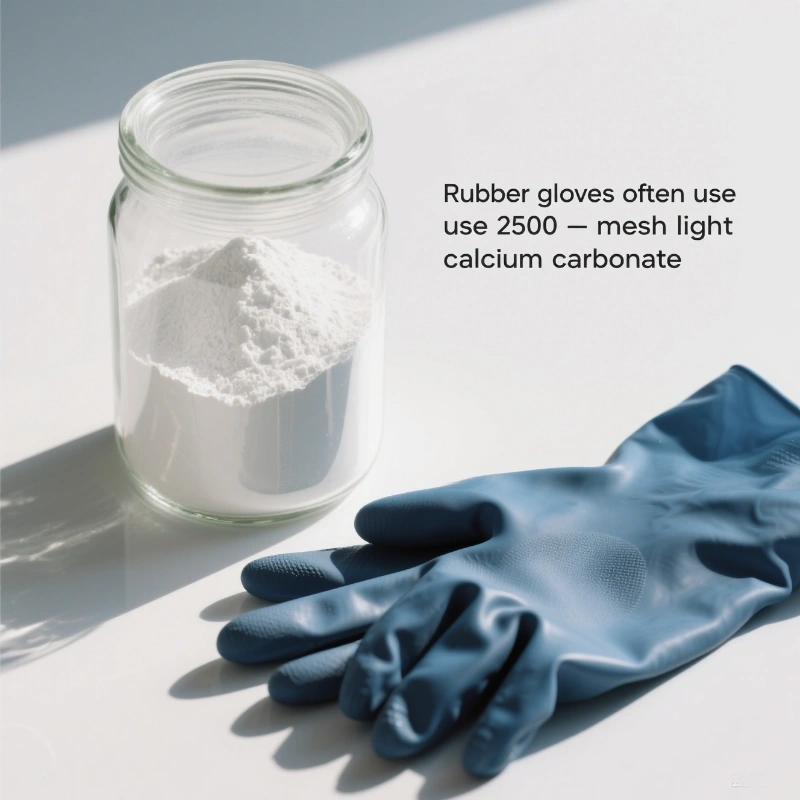
Powder modification plays a key role in enhancing rubber products, particularly for improving abrasion resistance, elasticity, and flame retardancy. By treating fillers like talc or silica through surface modification, manufacturers can develop high-performance rubber used in demanding applications such as tires and seals. These modified fillers interact better with the rubber matrix, boosting overall durability and flexibility.
Innovative developments often focus on silane-treated fillers, which significantly enhance the tensile strength and aging resistance in vulcanized rubber compounds. This treatment improves filler dispersion and bonding within the rubber, resulting in longer-lasting, more resilient products. Such advancements enable rubber components to meet stricter safety and performance standards while also offering weight reduction and cost savings.
For efficient and uniform powder surface treatment of mineral fillers like talc, equipment such as pin mill and multi-rotor coating machines are widely employed to achieve consistent quality. For more insights on processing high-quality mineral powders for fillers, you can explore the practical applications of Tanzania talc powder production supported by advanced ball mill systems.
Applications in Ceramics
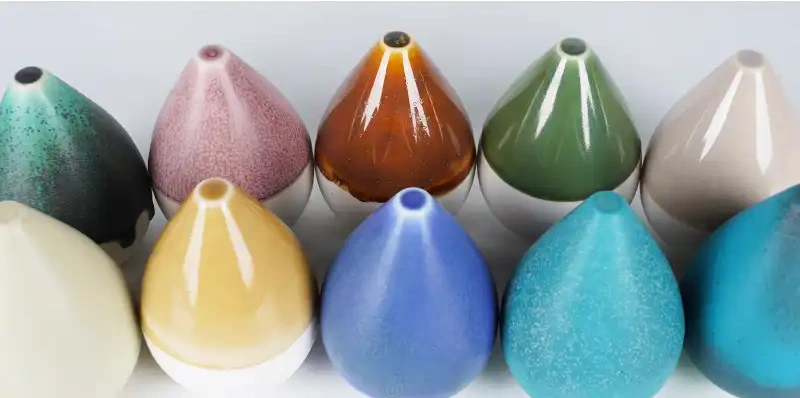
Powder surface modification plays a crucial role in ceramics by improving pigment dispersion and enhancing sintering properties. This leads to more uniform, high-quality ceramic products with consistent color and texture. One innovative approach is the use of coated powders, such as alumina or zirconia, which not only improve thermal stability but also boost mechanical strength in advanced ceramics.
These modifications help reduce agglomeration and improve the flow of powders during processing. As a result, manufacturers achieve better densification and fewer defects in tiles and technical ceramics. For instance, surface-treated zirconia powders contribute to ceramics with higher toughness and heat resistance, ideal for demanding applications.
By activating inorganic fillers through mechanochemical or chemical surface treatments, ceramics gain enhanced performance without compromising eco-friendliness. This makes powder modification an essential step in producing cutting-edge ceramic materials used in electronics, construction, and industrial sectors.
Applications in Electronic Materials
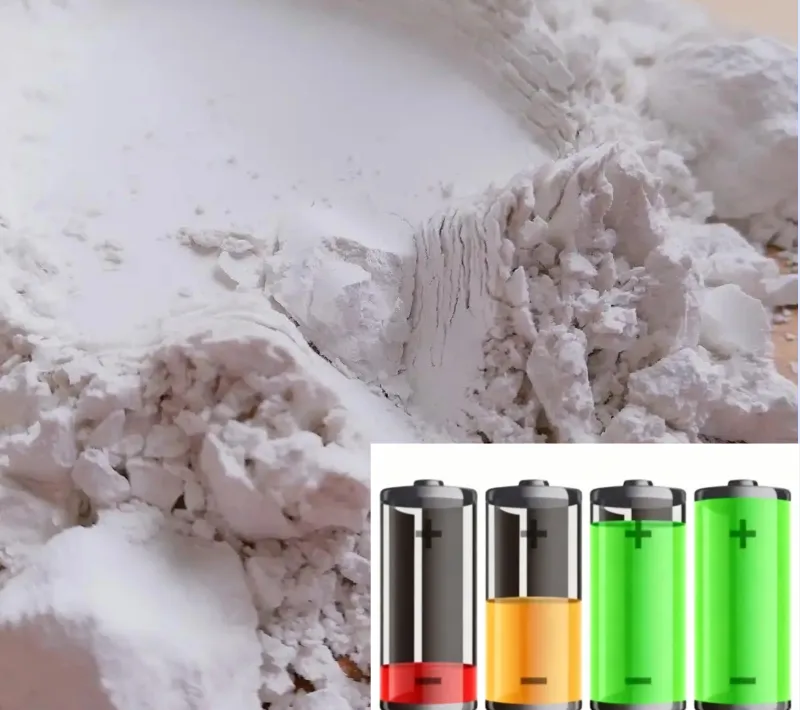
Powder surface modification plays a vital role in enhancing the performance of electronic materials. It improves insulation, thermal conductivity, and electromagnetic interference (EMI) shielding. Advanced techniques such as atomic layer deposition (ALD) are increasingly used in this field. These methods create ultra-thin and highly uniform coatings on powder surfaces. As a result, the powders become well suited for sensitive applications, including battery separators and electronic packaging.
For example, boron nitride powders modified via surface treatments offer excellent thermal management when incorporated into epoxy potting compounds, ensuring efficient heat dissipation in high-voltage components. Similarly, silica-based fillers with tailored surfaces enhance both electrical insulation and mechanical stability within circuits.
These innovations allow manufacturers to produce reliable, high-performance electronic devices while meeting stringent safety and efficiency standards. For more on advanced powder preparation methods relevant here, techniques like those detailed in the preparation of spherical alumina provide useful insights into achieving consistent, functional coatings.
Applications in Other Emerging Fields
Powder surface modification is making waves beyond traditional sectors, especially in composites, adhesives, cosmetics, pharmaceuticals, and additive manufacturing. In composites and adhesives, functional fillers are tailored to improve bonding strength and durability, enabling lighter and more reliable materials for automotive, aerospace, and construction industries. These fillers often feature surface treatments that enhance compatibility with polymer matrices, boosting performance without adding weight.
In cosmetics and pharmaceuticals, modified mica powders provide pearlescent effects and remain stable under various conditions. This helps create visually appealing, long-lasting products like makeup and topical creams. The modification ensures better dispersion and safety, which is crucial for sensitive skin applications.
Additive manufacturing benefits from powders with bio-compatible or recyclable surface modifications, aligning with the push for sustainable production. These specialized powders improve print quality, mechanical strength, and recyclability of printed parts. Modifications here focus on optimizing powder flow, thermal properties, and environmental impact, pushing the boundaries of what 3D printing can achieve.
If you’re curious about advanced powder coating machinery that can support these innovative modifications, high-efficiency equipment like three-roller coating machines or pin mill coating systems ensure uniform, high-quality surface treatment. For a deeper dive into how these machines enhance mineral powder treatment, you might explore detailed insights into powder coating modification technologies.
Future Trends and Innovations in Powder Surface Modification
The future of powder surface modification is clearly moving toward more eco-friendly modifiers and nanoscale coatings. These approaches help reduce environmental impact while delivering superior performance. Greener alternatives, combined with precise nanoscale treatments, enable functional powder coatings. They improve filler compatibility and add advanced features such as self-cleaning or antimicrobial properties.
Another major trend is the integration of Industry 4.0 technologies into powder modification processes. These include smart sensors, AI-based monitoring, and automated control systems. Such integration enables highly scalable and precise modification. It also ensures uniform dispersion and consistent quality across production batches. In addition, digital process control improves efficiency and reduces material waste.
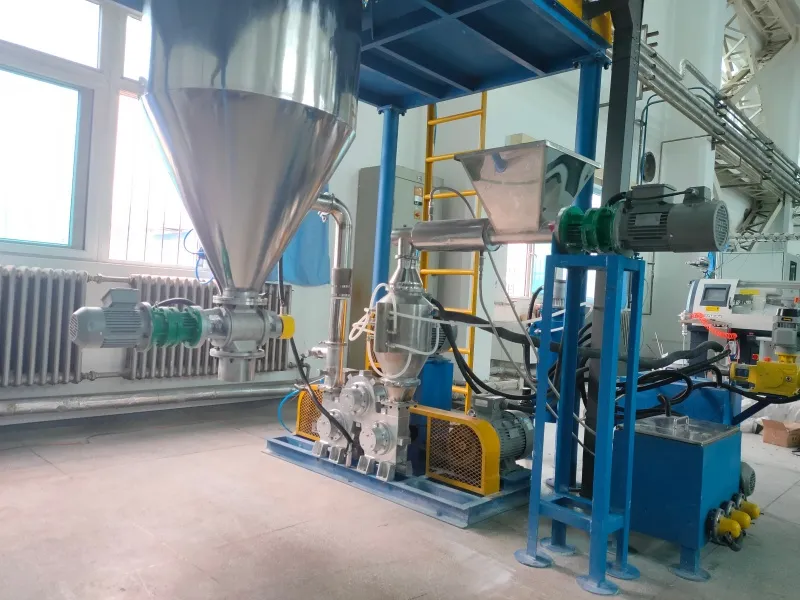
Equipment innovation plays a key role in this development. Leading-edge systems from companies such as Epic Powder are designed for high-efficiency and consistent surface modification. Advanced equipment, including multi-rotor coating machines and pin mill coating machines, is widely used. These machines enhance mechanochemical reactions and coupling agent application. As a result, fillers are transformed into reliable, high-performance additives for plastics, coatings, rubber, ceramics, and electronic materials.
In summary, the combination of eco-conscious modifiers, nanoscale surface treatments, and intelligent high-tech equipment is shaping the next generation of powder surface modification. This new generation is greener, smarter, and more effective than ever before. For specialized ceramic powder processing that follows similar trends, advanced solutions within the Epic Powder portfolio—such as ceramic liners and ball mill systems—offer valuable insights and practical references.

“Thanks for reading. I hope my article helps. Please leave a comment down below. You may also contact Zelda online customer representative for any further inquiries.”
— Posted by Emily Chen
 English
  العربية
  Español
  Português
  Français
  Türkçe
  Tiếng Việt
  Русский