
If you work with aluminum hydroxide ball mill grinding, you already know that ultrafine powder quality depends on more than particle size. Purity, whiteness, and grinding efficiency all matter. Achieving a precise D50 of 7.7 μm requires the right equipment and strict process control. You must avoid iron contamination, manage heat, and prevent excessive agglomeration.
This guide explains proven methods for producing consistent, high-grade aluminum hydroxide powder that meets demanding industrial standards.
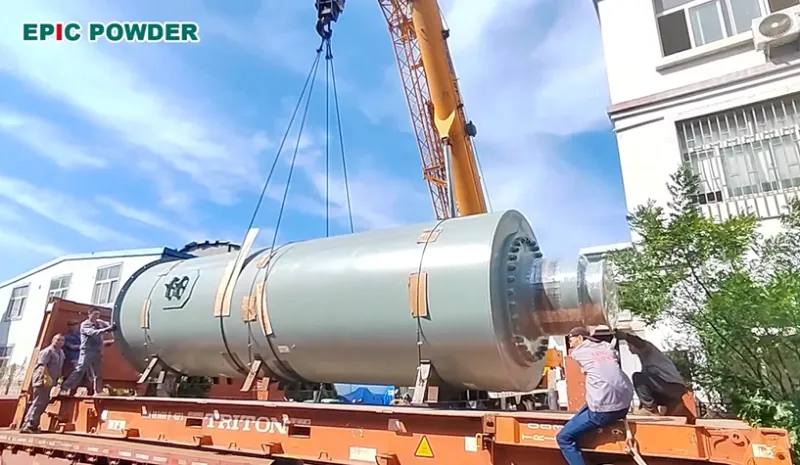
Material Properties That Affect Grinding Behavior
Aluminum hydroxide (Al(OH)₃) has several characteristics that influence grinding performance.
Its Mohs hardness is 2–3, which makes it relatively soft. However, the material still requires proper grinding conditions to reach ultrafine levels without wasting energy.
The crystal water content is another critical factor. Al(OH)₃ contains 34.5% chemically bound water. If grinding temperature rises too high, dehydration may occur and the product quality will change.
Agglomeration is also a challenge. Aluminum hydroxide tends to clump when particle size drops below 15 μm. This makes it difficult to maintain a narrow particle size distribution (PSD) and good flowability.
Typical feed size ranges from 50–150 μm. The target product range is D50 7.7 μm, suitable for flame retardants, fillers, and other high-performance uses.
Why Traditional Ball Mills Fail for Ultra-Fine Al(OH)₃?
Conventional ball mills often struggle to meet ultrafine requirements for aluminum hydroxide.
A major issue is iron contamination. Steel media and steel liners release iron during grinding. Even slight contamination reduces whiteness and purity, which is unacceptable for flame-retardant-grade Al(OH)₃.
Traditional mills also produce a wide PSD, making D50 7.7 μm difficult to achieve consistently. Oversized particles reduce product performance, especially in artificial marble and high-grade filler applications.
Energy efficiency is another concern. Standard ball mills require long grinding times and high power consumption. Media wear is high, maintenance costs increase, and production efficiency drops.
For these reasons, standard steel-lined ball mills are not suitable for high-purity, ultrafine aluminum hydroxide.
Optimal Grinding System: Ceramic-Lined Ball Mill + High-Efficiency Air Classifier
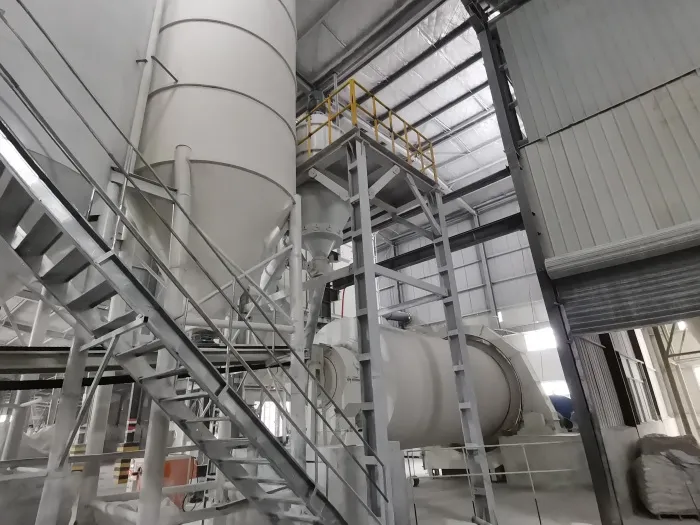
The most effective solution is a ceramic-lined ball mill combined with a high-efficiency air classifier.
Ceramic linings—such as alumina or zirconium silicate—eliminate iron contamination and keep whiteness high.
This matches the requirements for flame retardant grade Al(OH)₃ and other premium applications.
Critical Process Parameters in Aluminum Hydroxide Ball Mill Grinding
Achieving stable ultrafine grinding requires control over several parameters.
Media Type & Size
- Use 95% alumina balls to prevent iron contamination.
- A mixed ball size distribution improves breakage efficiency.
Mill Speed, Filling Ratio & Retention Time
| Parameter | Impact | Typical Range |
|---|---|---|
| Mill Speed | Controls grinding energy | 65%–75% of critical speed |
| Filling Ratio | Affects impact force | 30%–40% |
| Retention Time | Determines final fineness | 30–60 minutes |
Balancing these factors ensures fine output without wasting energy.
Classifier Wheel Speed & Air Volume
- Higher wheel speed → finer particles, lower throughput.
- Air volume affects classification sharpness and material transport.
Temperature Control
- Keep temperature below 70°C to prevent dehydration.
- Cooling air or water-cooled systems help maintain stable product quality.
Real Industrial Case Studies: Epic Powder Aluminum Hydroxide Projects
Epic Powder has completed several successful aluminum hydroxide grinding lines.
One example is a 10 t/h production line delivering:
- D50 = 10 μm
- Whiteness > 95%
Another project achieved D50 ≈ 8 μm at 5 t/h, customized for artificial marble applications. The ultrafine powder significantly improved surface brightness and finish.
The systems are energy-efficient thanks to optimized mill-classifier integration. Customers report lower power consumption and long ceramic liner life.
Maintenance & Wear Protection Tips for Ceramic Linings
Ceramic linings can last 12–24 months, but maintenance is vital.
- Inspect liners regularly for cracks or wear.
- Replace lifters and liners promptly to avoid shell damage.
- Avoid abrupt starts/stops to reduce stress.
- Maintain consistent feed size.
- Keep the mill clean to avoid abrasive buildup.
These practices maximize equipment lifespan and reduce unplanned downtime.
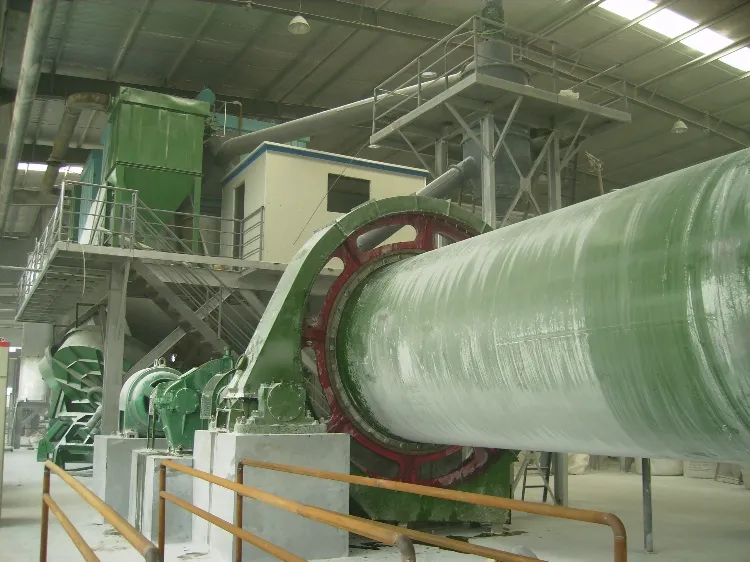
Ceramic Ball Mill vs. Jet Mill vs. Raymond Mill
| Feature | Ceramic Ball Mill + Classifier | Jet Mill | Raymond Mill |
|---|---|---|---|
| Performance | Stable, narrow PSD (D50 7.7 μm) | Very fine but broad PSD | Medium fineness |
| Energy Use | Moderate | Very high | Medium–high |
| Contamination | Zero iron | Zero metal | Possible metal |
| Capacity | High (5–10 t/h+) | Low | Medium |
| Operating Cost | Medium | High | Medium–high |
| Best For | High-whiteness ATH | Ultrafine but small batches | General mineral grinding |
How to Choose the Right Manufacturer
When selecting a supplier, consider:
- ISO/CE certifications
- A proven track record with Al(OH)₃
- Strong after-sales service
- Experience with ceramic-lined mills and air classifiers
Choose a manufacturer with real case studies and energy-efficient solutions to ensure stable long-term performance.
If you need support in designing or optimizing an aluminum hydroxide using ball mill grinding system, feel free to ask Epic Powder!
“Thanks for reading. I hope my article helps. Please leave a comment down below. You may also contact Zelda online customer representative for any further inquiries.”
— Posted by Emily Chen
 English
  العربية
  Español
  Português
  Français
  Türkçe
  Tiếng Việt
  Русский