
Are you wondering why the grinding and modification of Barite is so important and why it requires special attention in industrial processing? Let me break it down.
- What is barite, and where is it used? Barite is a mineral composed of barium sulfate. Its primary use is in the oil and gas industry, where it’s essential for drilling fluids to help drillers extract underground resources efficiently. Besides drilling, barite is also used in paints, plastics, and specialty chemicals due to its weight and chemical stability.
- Why do grinding and modification matter for barite? For barite to perform well in these applications, it needs to be ground into fine powders with specific particle sizes and surface properties. Proper grinding reduces particle size for better dispersion, while modification improves surface characteristics like wettability and dispersibility. These factors directly influence the quality and performance of the final product.
- Common problems with separate processing steps. When grinding and modification are done separately, issues often arise, including uneven particle size distribution, over-grinding, or inconsistent surface modification. This can lead to poor product quality, increased energy consumption, and higher production costs.
- Why an integrated process is better ? Integrating grinding and modification into a single, seamless process offers multiple benefits. It helps achieve more uniform particle sizes, better surface properties, and overall higher efficiency. This approach cuts down on processing time and costs while ensuring a more consistent final product. That’s why more producers are turning to integrated powder processing solutions, such as ball milling technology for barite.
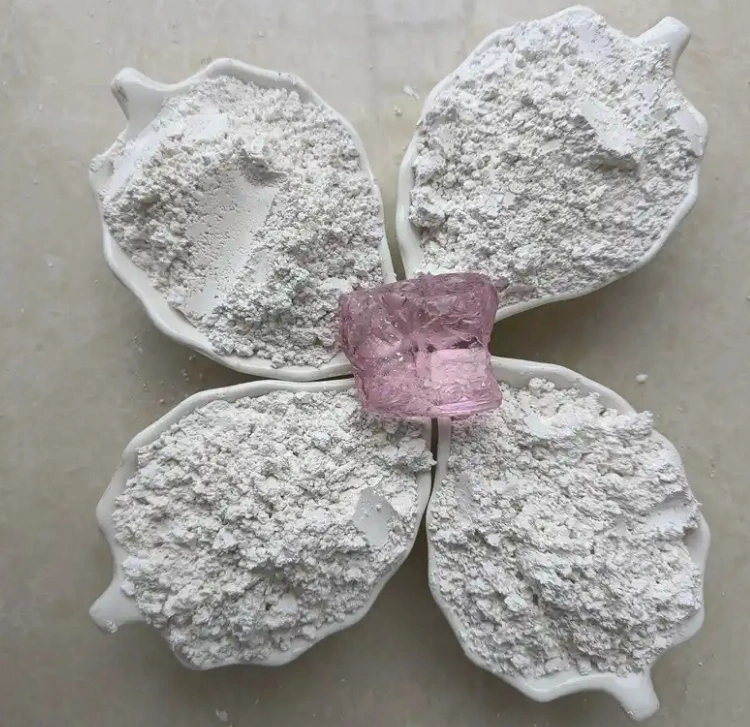
What Barite Integrated Grinding and Modification Means
Integrated barite processing combines the steps of grinding and surface modification into a single, streamlined process. Instead of separately grinding the raw barite and then applying surface treatments, both actions happen simultaneously during ball milling. This approach ensures that the particles are ground to the desired fineness, such as D97=10 μm, while also receiving the necessary surface modifications for better performance in various applications.
The key idea is that during ball milling for barite, modification agents—like surfactants or dispersants—are added directly into the mill. As the material is ground down to ultra-fine particles, these agents attach to their surfaces, improving properties like dispersibility and durability. This simultaneous process of grinding and modification leads to a more uniform particle size distribution and consistent surface characteristics.
Main benefits of combining grinding and modification include:
- Enhanced efficiency: Both processes are completed in one step, drastically reducing total processing time.
- Better particle size control: Achieving fine particle sizes like D97=10 μm becomes easier and more precise.
- Improved surface properties: Particles have better dispersibility, which benefits industries such as drilling fluids, coatings, and plastics.
- Cost savings: Reducing the number of process steps cuts energy use and overall production costs.
- Less waste: Streamlined processing minimizes material loss and waste generation.
Compared to traditional methods—where grinding and modification are separate steps—integrated processing offers a significant upgrade. Traditional approaches often lead to uneven surface modification or inconsistent particle sizes. In contrast, integrated ball milling ensures uniform treatment and finer control, resulting in higher-quality barite products suited for demanding industrial applications.
How Ball Milling Technology Works for Barite
Ball milling for barite relies on a simple yet effective principle: rotating grinding media inside a sealed container to reduce particle size and improve surface properties. The process begins with feeding coarse barite into the ball mill, where balls made of steel, ceramic, or other materials act as the grinding media. As the mill spins, these media collide with the barite particles, breaking them down into finer powder.
To achieve the target particle size—like D97=10 μm—it’s essential to optimize several parameters:
- Grinding Media and Speed: The size, material, and loading of the grinding media significantly influence milling efficiency. Higher rotational speeds increase impact energy, but too fast can cause overgrinding or equipment wear. Typically, a speed around 65-75% of the critical speed is used for fine grindings.
- Milling Time: Longer milling hours generally lead to finer particles. However, excessive time can cause particle agglomeration or over-processing, so monitoring particle size during operation is crucial.
- Modification Agents: During milling, surface-modification agents are added to improve dispersibility and surface properties of the barite powder. These agents can be introduced at specific stages to ensure uniform modification, which is critical for applications like drilling fluids or coatings.
- Process Control: Consistent results depend on precisely controlling milling parameters—such as temperature, rotation speed, and milling duration. Proper process control helps maintain uniform particle size distribution, ensuring that the final product meets quality standards.
Overall, ball milling for barite is a versatile and efficient way to produce ultra-fine powders with desired surface modifications, making it ideal for industrial needs in areas like oil drilling, paints, and plastics. For more detailed insights on ball mill equipment for mineral processing, check out this resource.
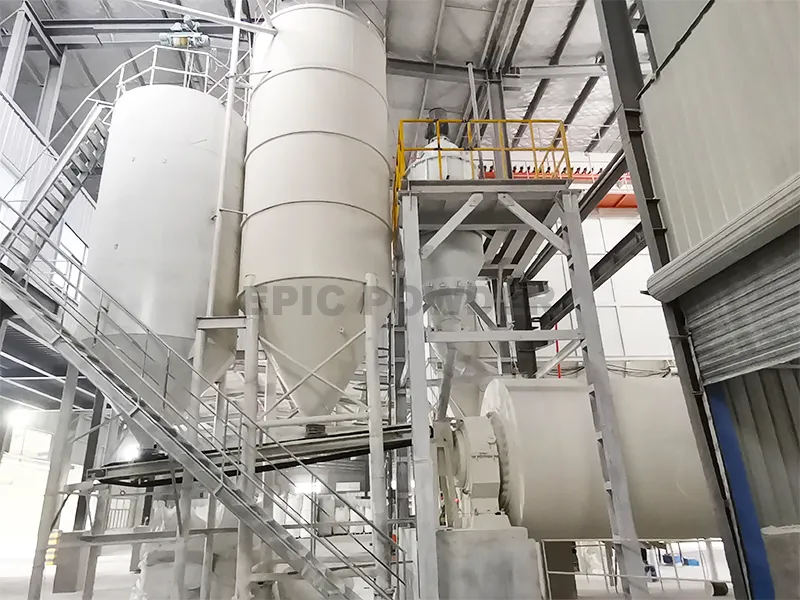
Step-by-Step Integrated Barite Processing
Making high-quality barite powder with a D97 of 10 μm or better involves several key steps. Here’s how to do it efficiently with ball milling technology for integrated grinding and modification:
1. Prepare the Barite Material
Start with proper raw material preparation. Ensure the barite is free of impurities and has consistent particle size. Pre-milling or drying may be necessary to improve grinding efficiency and surface modification outcomes.
2. Choose the Right Ball Mill and Grinding Media
Select a suitable ball mill designed for mineral processing. Ceramic-lined or steel ball mills are common options for achieving fine particle sizes. Use grinding media like ceramic or zirconia balls to prevent contamination and improve grinding efficiency. For achieving D97=10 μm, larger or softer media can be more effective.
3. Set Key Milling Parameters
Adjust the milling parameters based on your target particle size and surface needs:
| Parameter | Recommended Setting |
|---|---|
| Milling speed | 60–80% of the critical speed |
| Ball loading | 40–50% of the mill volume |
| Milling time | Typically 4–8 hours, depending on feed size |
| Particle size control | Monitor continuously using particle analyzers |
4. Add Modification Agents at the Right Stage
Introduce surface modification agents (dispersants, surfactants) during the milling process, preferably after achieving initial particle size reduction. This simultaneous modification enhances dispersibility and surface properties, making the barite suitable for applications like drilling fluids or coatings. For example, using compounds compatible with organic or inorganic surfaces can be key to success.
5. Monitor Particle Size and Surface Performance
Regularly check the particle size distribution and surface surface energy. Use laser particle size analyzers to ensure the D97 target of 10 μm is being met and surface modification is effective. Adjust milling parameters or reagent dosage if needed.
6. Check Final Product Quality
After processing, conduct comprehensive testing. Confirm particle size distribution, purity, and surface activity. Ensure the product performs well in its intended application.
This step-by-step process supports consistent, high-quality barite powder production, with integrated grinding and modification for better efficiency and performance. For more details on the equipment, see ball mill equipment for minerals.
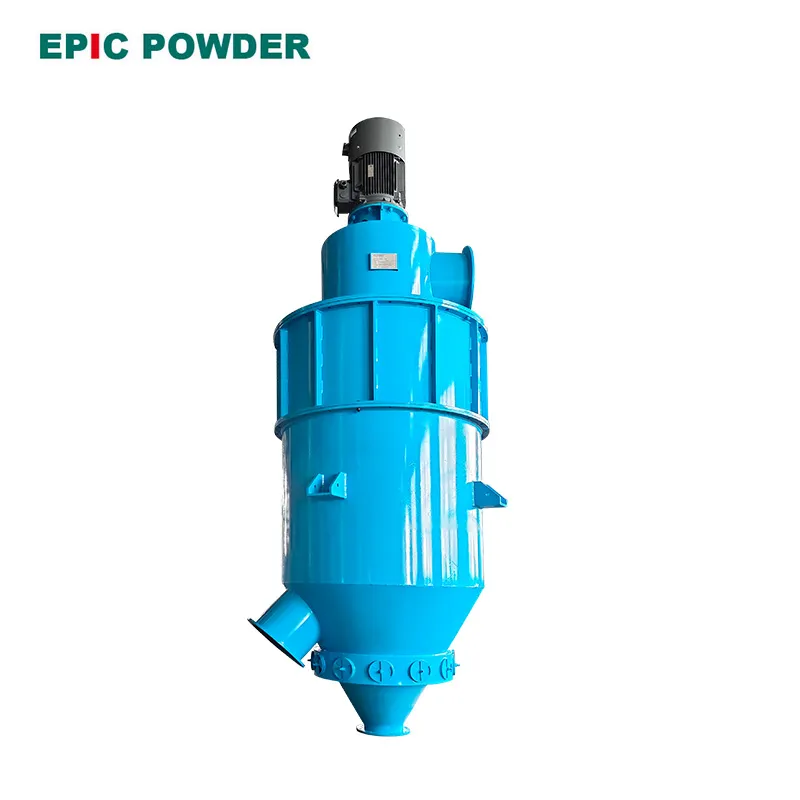
Benefits of Integrated Barite Processing
Choosing an integrated “grinding and modification” approach for barite offers several significant advantages:
| Benefit | Explanation |
|---|---|
| Better particle size control | Achieving a consistent particle size, like D97=10 μm, becomes easier with synchronized grinding and modification. This ensures the barite powder meets specific industry standards. |
| Improved surface properties | Simultaneous modification during milling enhances dispersibility and surface activity, which benefits applications in drilling fluids, coatings, and plastics. |
| Lower energy consumption | Combining steps reduces overall power use and shortens processing time, making production more efficient. |
| Reduced costs and waste | Fewer process stages mean less equipment and material waste, cutting down production costs. |
| Enhanced product performance | Final barite has better flow, stability, and performance characteristics, critical for industrial uses like drilling mud or powder coatings. |
By integrating grinding and modification, manufacturers can produce high-quality, fine, and surface-modified barite powder more efficiently. This method is especially useful for industries demanding precise particle size and surface features. To optimize the integrated process, it’s important to control milling parameters carefully and add modification agents at the right stage. This ensures consistent, high-performance barite powders suited for global markets.
Common Challenges and How to Solve Them
When applying ball milling technology for the integrated “grinding and modification” of barite, certain issues can arise that affect product quality and process efficiency.
Uneven Particle Size Distribution
One typical challenge is inconsistent particle sizes, which can compromise the performance of barite powder in applications like drilling fluids or coatings. To fix this, adjusting the milling parameters—like rotation speed, milling time, and ball-to-material ratio—can help achieve a more uniform size. Regular monitoring and fine-tuning of these variables ensure a consistent D97 particle size, especially when aiming for fine powders such as D97=10 μm.
Over-Grinding Problems
Over-grinding can turn into a major issue, leading to excessively small particles that may cause problems like increased energy use and poor surface properties. Using the correct milling time and controlling the impact energy of the grinding media are key. Implementing variable speed controls or using specialized ball mill equipment designed for mineral grinding solutions can prevent over-grinding.
Weak or Uneven Surface Modification
Weak surface modification indicates that the surface properties of the barite aren’t properly enhanced, affecting dispersibility and performance in applications like drilling fluids. This mostly comes down to how and when modification agents are added during the process. Introducing these agents at optimal stages during ball milling, or adjusting their concentration, ensures even surface modification.
Improving Equipment Setup and Process Control
To overcome these challenges, it’s crucial to optimize equipment setup. Using high-quality ball mill equipment designed for mineral grinding, like those capable of fine particle size reduction and surface modification, makes a difference. Additionally, implementing strict process control—such as real-time particle size analysis and surface property testing—helps maintain consistent quality. For example, fine tuning mill speed and milling time can significantly improve product stability and performance.
How to Choose the Right Modification Agent
Not all modification agents are suitable for every application or mineral type. When selecting the right agent, consider the desired surface properties, compatibility with barite, and end-use requirements. Proper selection and dosage of modification agents contribute to improved dispersibility, lowered energy consumption, and better overall powder performance.
By carefully managing these challenges with tailored solutions, it is possible to maximize the benefits of integrated grinding and modification of barite, ensuring a high-quality product for industrial applications.
Real-World Results with Ball Milling Technology
A good example of the effectiveness of integrated ball milling for barite is achieving a D97 particle size of 10 μm, which is critical for high-quality industrial applications like drilling fluids and fillers. Reaching this level of fineness requires precise control over milling parameters and the addition of appropriate surface modification agents during the process.
During implementation, some common process difficulties appeared—such as uneven particle size distribution and over-grinding issues. These problems can cause inconsistent product quality and reduce efficiency. To handle this, process engineers fine-tuned milling speed, used better grinding media, and optimized the timing for adding modification agents. This careful control helped produce a more uniform powder with surface properties suited for their end use.
The final results showed significant performance gains. The processed barite achieved improved dispersibility and surface activity, making it more compatible with complex formulations in industries like oil drilling and plastics. Plus, the energy consumption and processing time were lower, cutting overall costs.
For industrial users, these results mean more reliable products with consistent quality. When combined with ball milling technology for integrated grinding and modification, factories can produce superfine, high-surface-area barite powders that meet the strict demands of modern industries—all while saving time and reducing waste. This approach is becoming a standard method for achieving the highest level of powder performance in large-scale manufacturing.

“Thanks for reading. I hope my article helps. Please leave a comment down below. You may also contact Zelda online customer representative for any further inquiries.”
— Posted by Emily Chen
 English
  العربية
  Español
  Português
  Français
  Türkçe
  Tiếng Việt
  Русский